
 Sleep Science
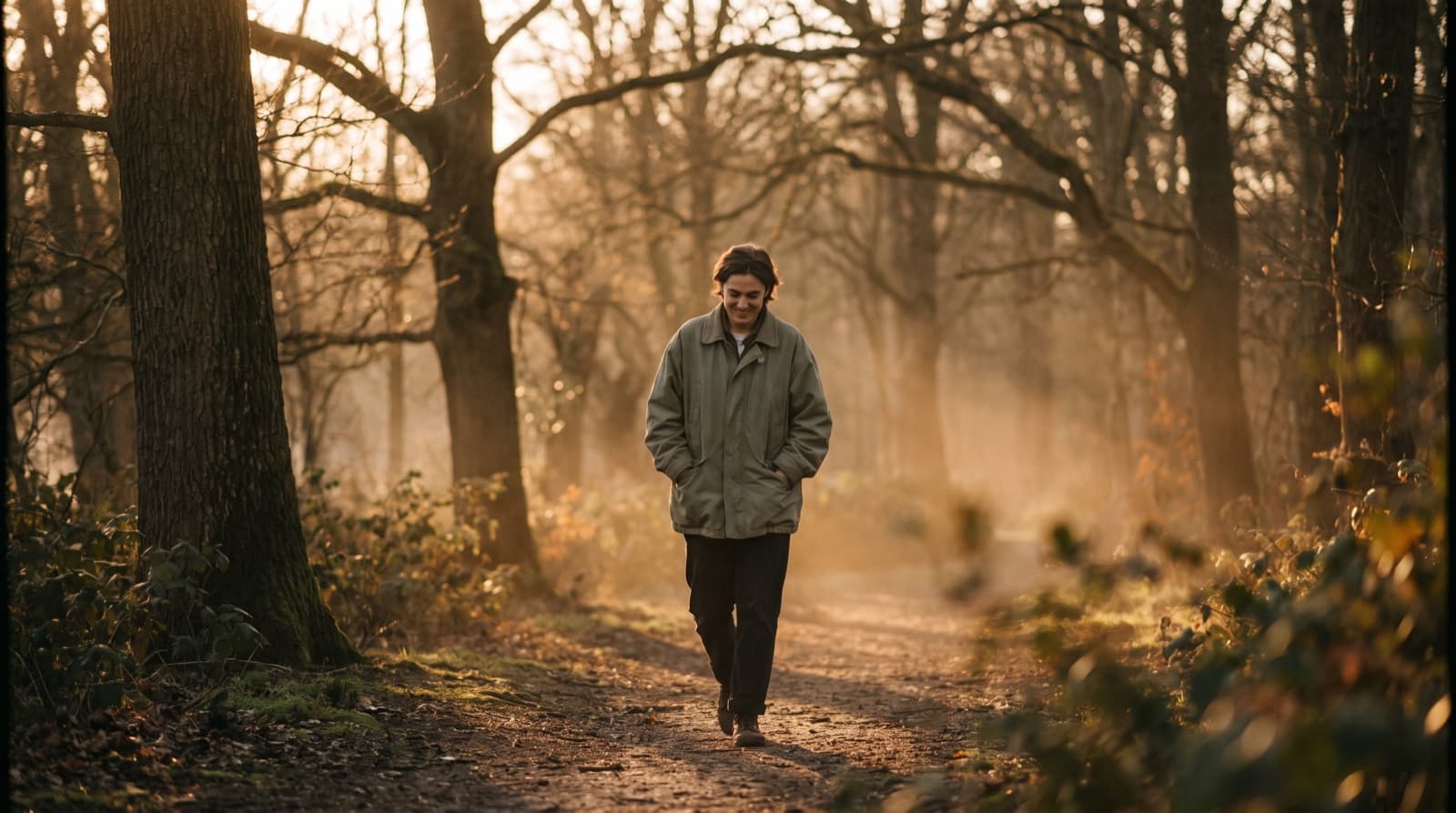
The Evening Walk — Why Sunset Light Helps You Sleep
An evening walk near sunset gives your body clock the warm, fading light it reads as the start of night.
Jordan Hale4 min
Understand how sleep actually works — your circadian rhythm, sleep stages, sleep pressure, and the light signals that set your body clock. Clear, evidence-based explainers you can act on.
27 guides
Sleep ScienceAn evening walk near sunset gives your body clock the warm, fading light it reads as the start of night.
 Sleep Science
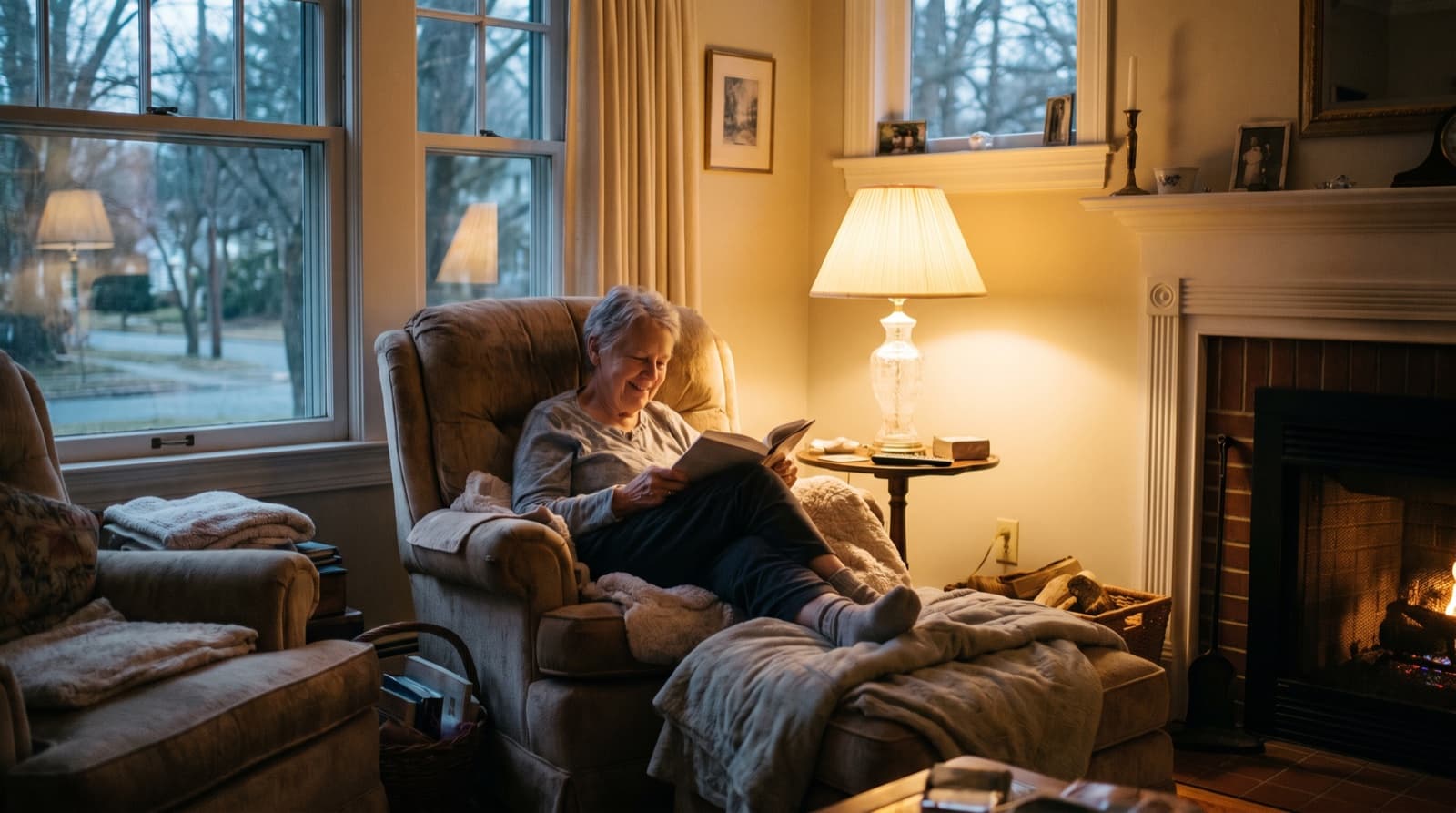
Sleep naturally shifts as we get older, growing lighter and moving earlier, yet restful nights stay well within reach once you know what helps.
 Sleep Science
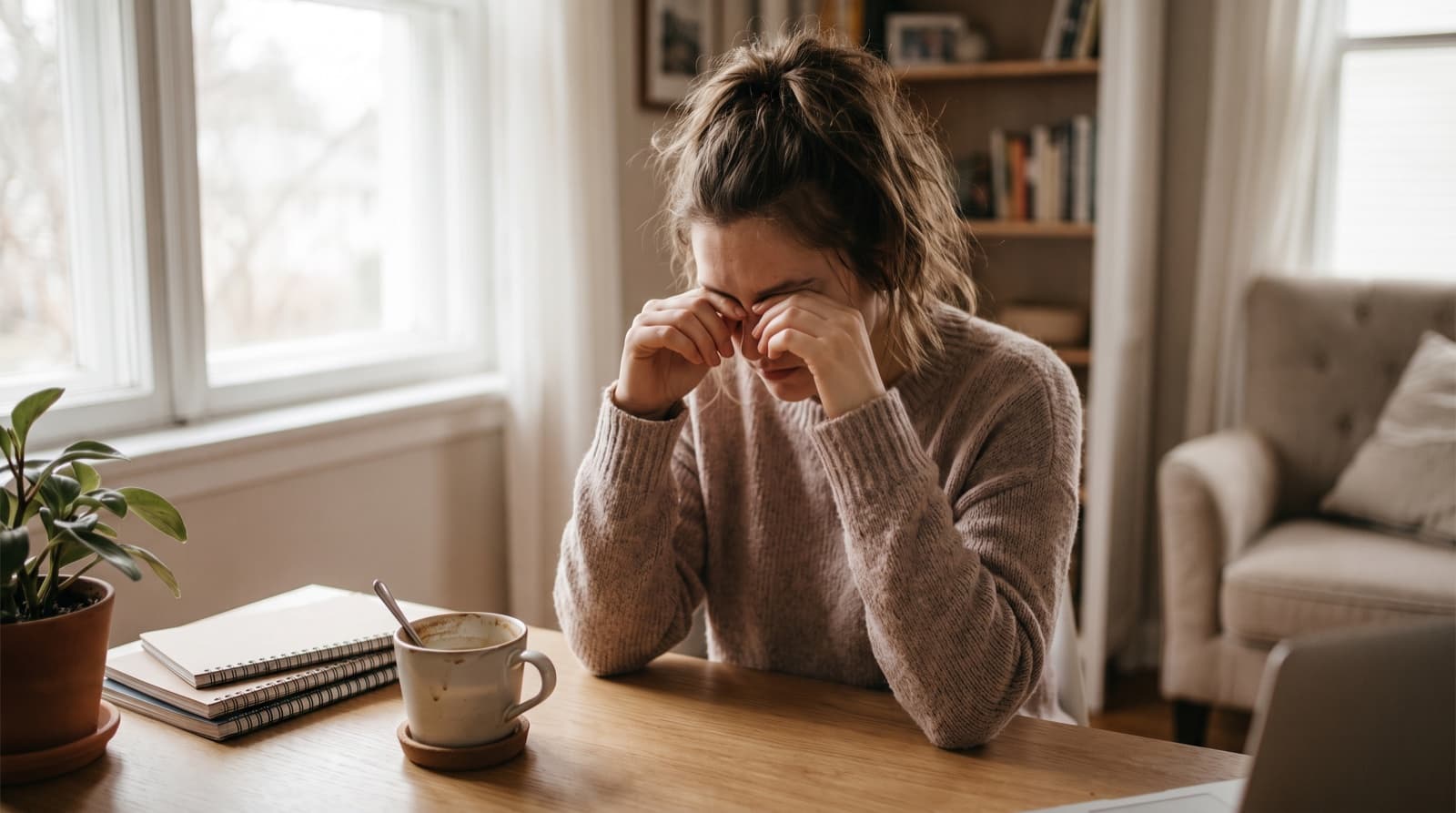
Sleep debt is real and you can pay part of it back, but one giant weekend lie-in shifts your clock and often leaves you worse off than a few steadier nights.
 Sleep Science
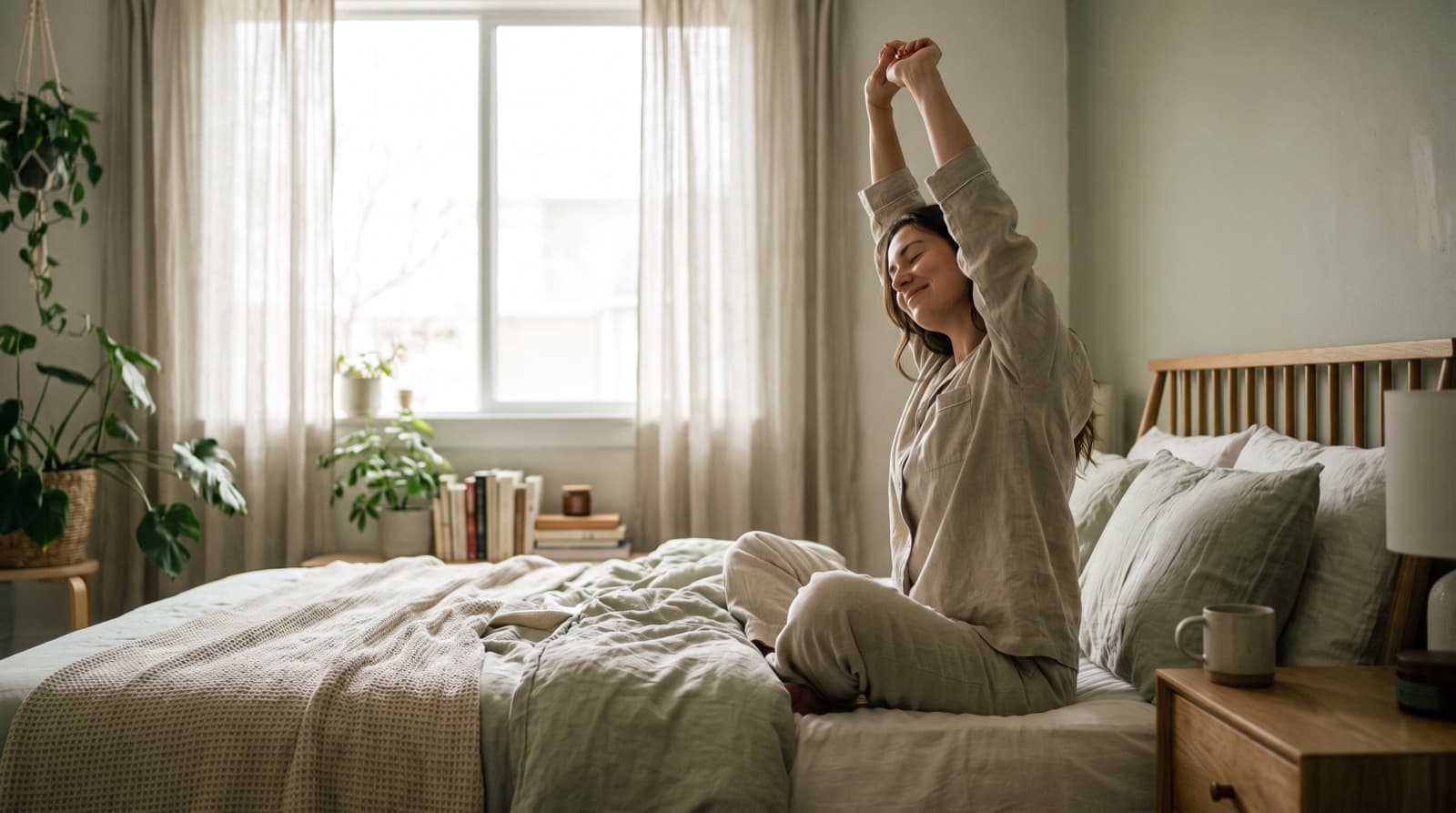
Most adults do best on roughly seven to nine hours, but your ideal number depends on your age, your body, and the quality of the hours you actually get.
 Sleep Science
The two stages that do your night’s heavy lifting are deep sleep and REM, and each one rebuilds something the other simply cannot.
 Sleep Science
Your brain does not switch off at night but moves through four distinct stages in a repeating cycle, and knowing what each one does shows why a full night matters so much.
 Sleep Science★ Editor's pick
You can do everything else right and still lie there wired. Here's the overlooked reason your evenings keep you awake — and the five-second fix most people miss.
 Sleep Science
The fastest way to fall asleep at night starts the moment you wake up. Here is why morning light is the anchor your whole sleep cycle depends on.
 Sleep Science
It runs your energy, your focus, and when you feel sleepy. Here is how your body clock works and the simple levers that keep it on time.
 Sleep Science
Waking in the middle of the night is usually normal biology — not a sign something's wrong. Here's what's happening, and what actually helps you drift back off.
 Sleep Science
Jet lag is a body-clock problem, so the best fix is a body-clock tool. Here is how to use light to reset faster.
 Sleep Science
Sleeping in on Saturday can feel like flying two time zones west. Here is what social jetlag does and how to avoid the Monday crash.
 Sleep Science
A few minutes outside soon after waking can do more for tonight than anything you try at bedtime, and the amount you need is smaller than you think.
 Sleep Science
Caffeine masks sleepiness for a while, but morning light lifts your alertness through the body clock in a way that tends to last longer and land cleaner.
 Sleep Science
Winter, windowless offices, and night shifts all make morning sun hard to reach, but there are practical ways to feed your clock a strong enough signal.
 Sleep Science
A natural surge of cortisol in your first waking minutes is one of the healthy reasons you feel ready to move, and morning light helps make it a clean one.
 Sleep Science
Grey skies feel dim to your eyes, but even heavy overcast delivers far more of the daylight signal your clock needs than the brightest room in your home.
 Sleep Science
Your chronotype is partly written in your genes but light and timing still give you real room to nudge it.
 Sleep Science
A molecule called adenosine builds a growing drive to sleep across your day and understanding it changes how you plan your evening.
 Sleep Science
Your rising sleep drive and your internal body clock are two separate systems and good sleep happens when they agree.
 Sleep Science
Your body clock drifts on its own, and the light you catch in the morning and after dark is what keeps it set to the right time.
 Sleep Science
You cannot force an earlier bedtime overnight, but you can walk your body clock back in small, steady steps that actually hold.
 Sleep Science
Your energy and focus rise and fall on a personal schedule, and matching your hardest tasks to those peaks can change how your whole day feels.
 Sleep Science
You do not just fall asleep when you are tired. You fall asleep when your body cools down. Here is the temperature rhythm behind every good night.
 Sleep Science
A short nap in the early afternoon can sharpen your day, while a long or late one quietly drains the drive you need to sleep at night.
 Sleep Science
The light around you changes with the seasons and so does your sleep, but a few simple habits can keep your rhythm steady all year.
 Sleep Science
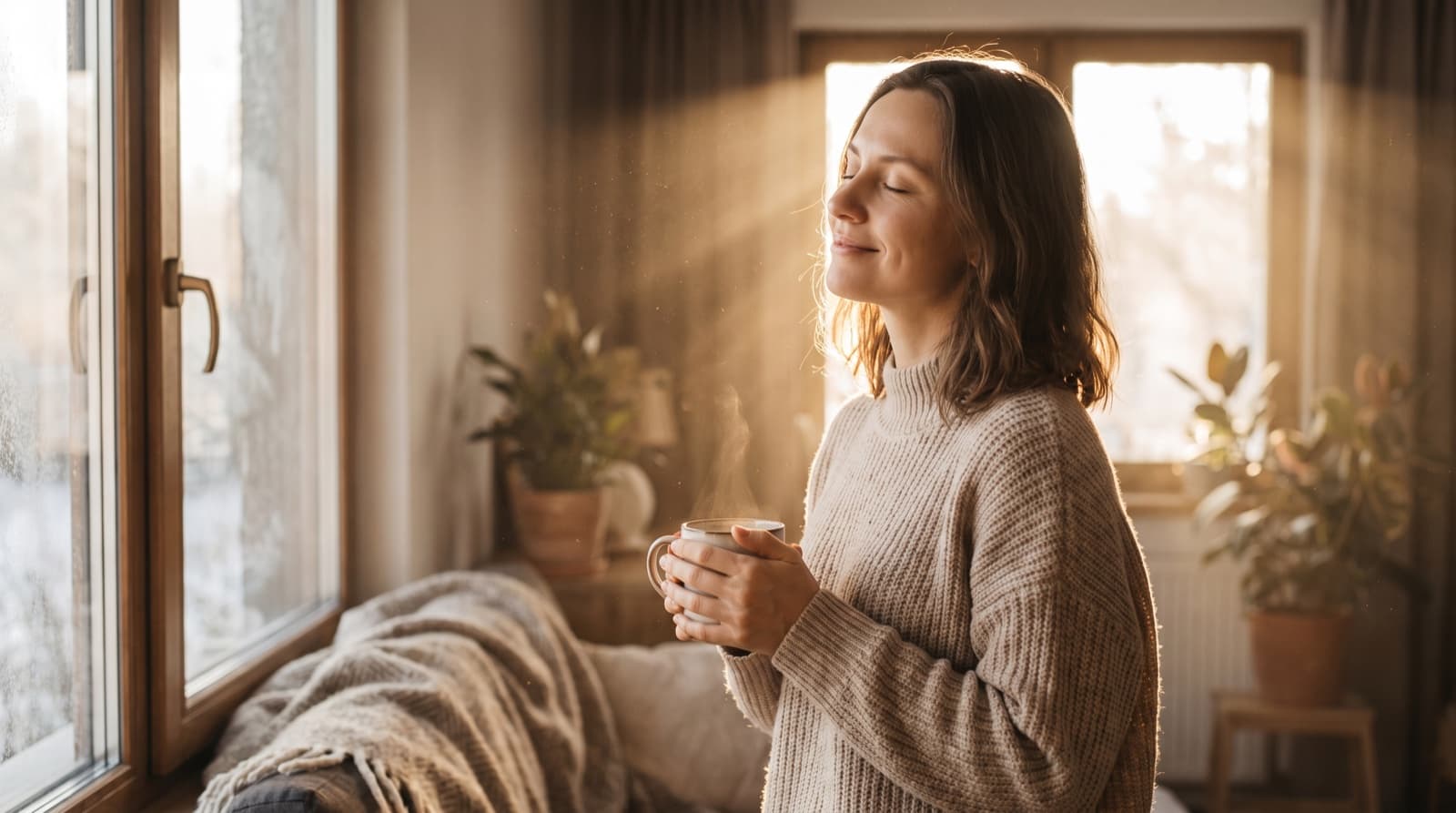
Short winter days can drag on your mood and energy, but daily light gives you a simple and steady way to push back.