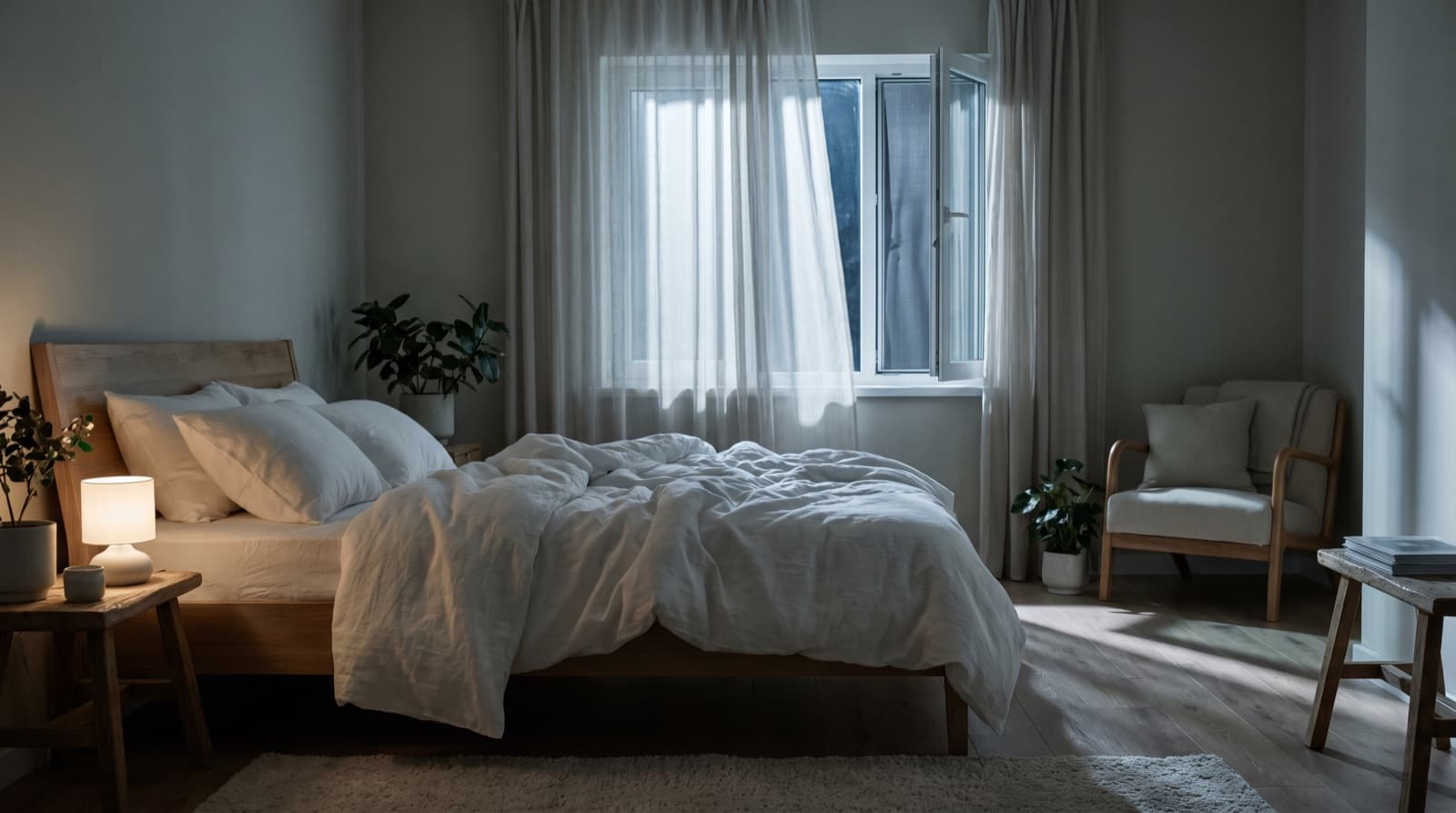
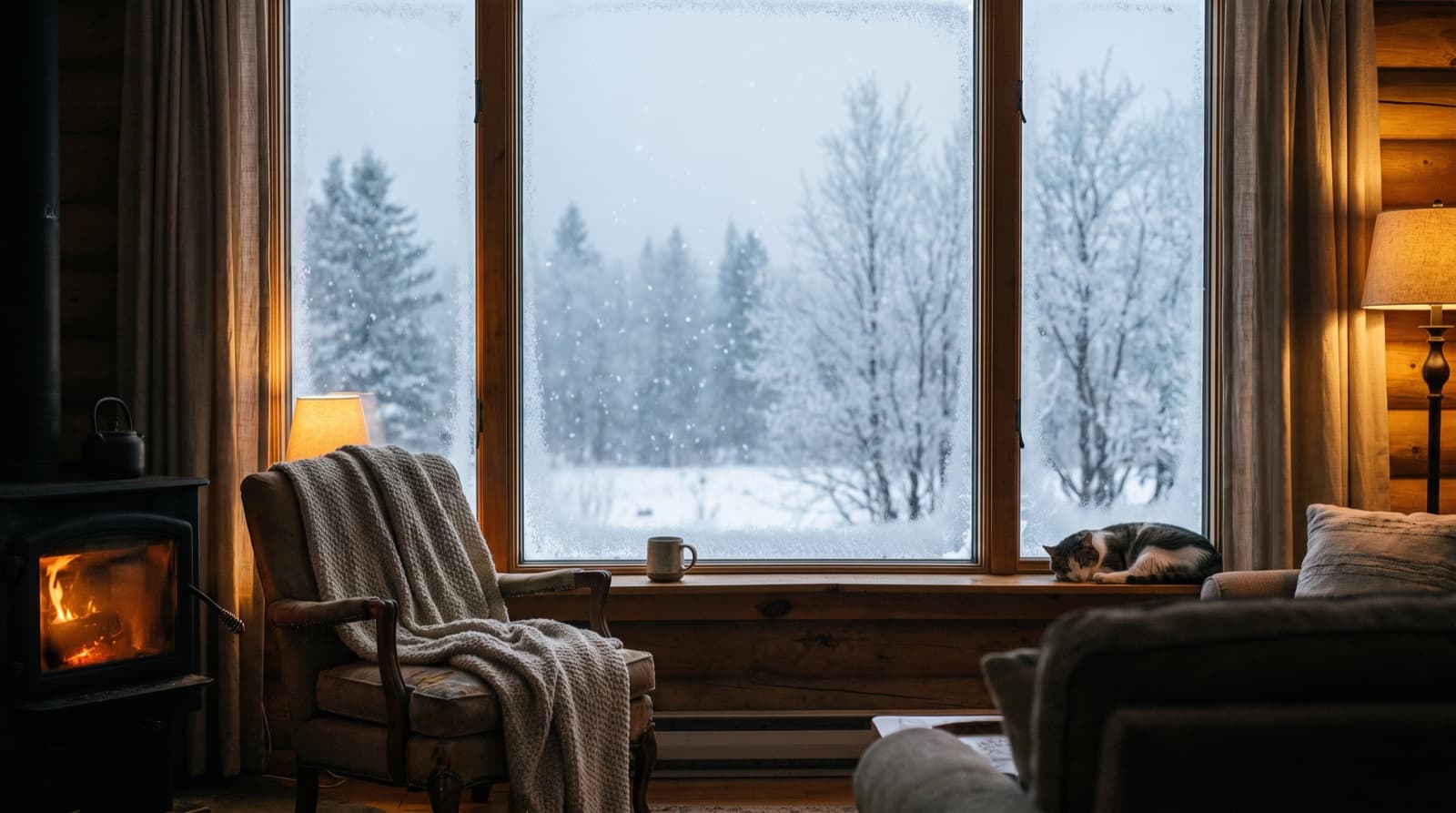
As the year turns, your sleep quietly turns with it. You might nod off early in December and then fight to stay in bed past dawn in June. That is not a lack of discipline. It is your body responding to the most powerful timekeeper it has — the changing pattern of daylight.
Why the seasons move your sleep
Deep in your brain, a master clock keeps you on a roughly 24-hour schedule, and it leans on daily light to stay accurate. As the Earth tilts through the year, the amount and timing of the light you receive shift dramatically. Long, dark winters deliver a weak, late morning signal. Bright summers stretch daylight well past dinner. Your clock reads both, and it responds by nudging your sleep and energy in different directions.
Winter: too little light, too late
In winter the sun rises later and sits lower, so mornings stay dim right when your clock most wants a strong wake-up cue. Without that early signal, the clock can drift, melatonin timing gets fuzzy, and many people feel groggier, flatter, and slower to get going. For some, the shorter days can also weigh on mood and motivation.
Summer: too much light, too late
Summer flips the problem. Sunlight lingers into the evening, and bright, blue-rich light late at night tells your clock it is still daytime. That can push your melatonin later, delay your natural bedtime, and leave you feeling wired when you would rather be winding down.
Winter strategy: chase the morning
The single best move in the dark months is to seek out light early. Even overcast daylight is far brighter than indoor lighting, so getting outside soon after you wake gives your clock the signal it is missing.
Get out early, even when it is gray
Aim for time outdoors within an hour of waking. Winter light is weaker, so give it longer — a slow walk or a few minutes on the step still counts.
Brighten your indoor mornings
Open every blind, work near the sunniest window, and switch on bright indoor lights early. It is a smaller dose than the outdoors, so pair the two whenever you can.
Keep your wake time steady
A consistent wake time gives your drifting winter clock something firm to lock onto, which helps steady both your daytime energy and your sleep.
Move your body in daylight
A short walk at lunch stacks light and movement together, two cues that can help you feel more awake through the darker afternoons.
Think of it as a light budget. In winter you are usually short on daytime light, so spend more effort chasing it early; in summer you have plenty, so the work shifts to guarding your evenings.
The same habits that make morning sunlight so useful all year matter most when the days are short and every minute of brightness counts.
Summer strategy: protect the evening
When daylight runs long, your job is to help your body find the off-ramp. You do not need to black everything out at six in the evening. You simply want the last hour or two before bed to feel like night rather than noon.
Dim the overhead lights and switch to warmer, lower lamps after sunset. Keep bright, blue-rich screens out of the final stretch, or filter the light reaching your eyes so late-evening brightness does not keep sending a daytime message. Blackout curtains help on both ends of the summer day, holding off the early sunrise that can otherwise wake you before you are ready.
Small changes, all year
The seasons will keep shifting your light whether you plan for it or not. The good news is that you are not starting from zero each time. A steady wake time, a dose of morning light, and a calm, dim evening are the same three levers in every season. You simply lean harder on the morning in winter and harder on the evening in summer.
Make the adjustments gradually. Shifting your schedule by ten or fifteen minutes over several days is far kinder to your clock than a sudden jump. And if the darker months leave you feeling persistently low rather than just a little sluggish, that is worth raising with a doctor, since seasonal changes can affect mood as well as sleep.
Follow the light, adjust with the calendar, and your rhythm can stay far steadier than the weather outside your window.
References
- Sleep Foundation — Light and Sleep Sleep Foundation ↗
- NIH NIGMS — Circadian Rhythms NIH ↗
- Mayo Clinic — Seasonal Affective Disorder (SAD) Mayo Clinic ↗
Placeholder bio. Morgan oversees editorial standards and the fact-check process. Replace with a real editor before publishing.
Read full bio →