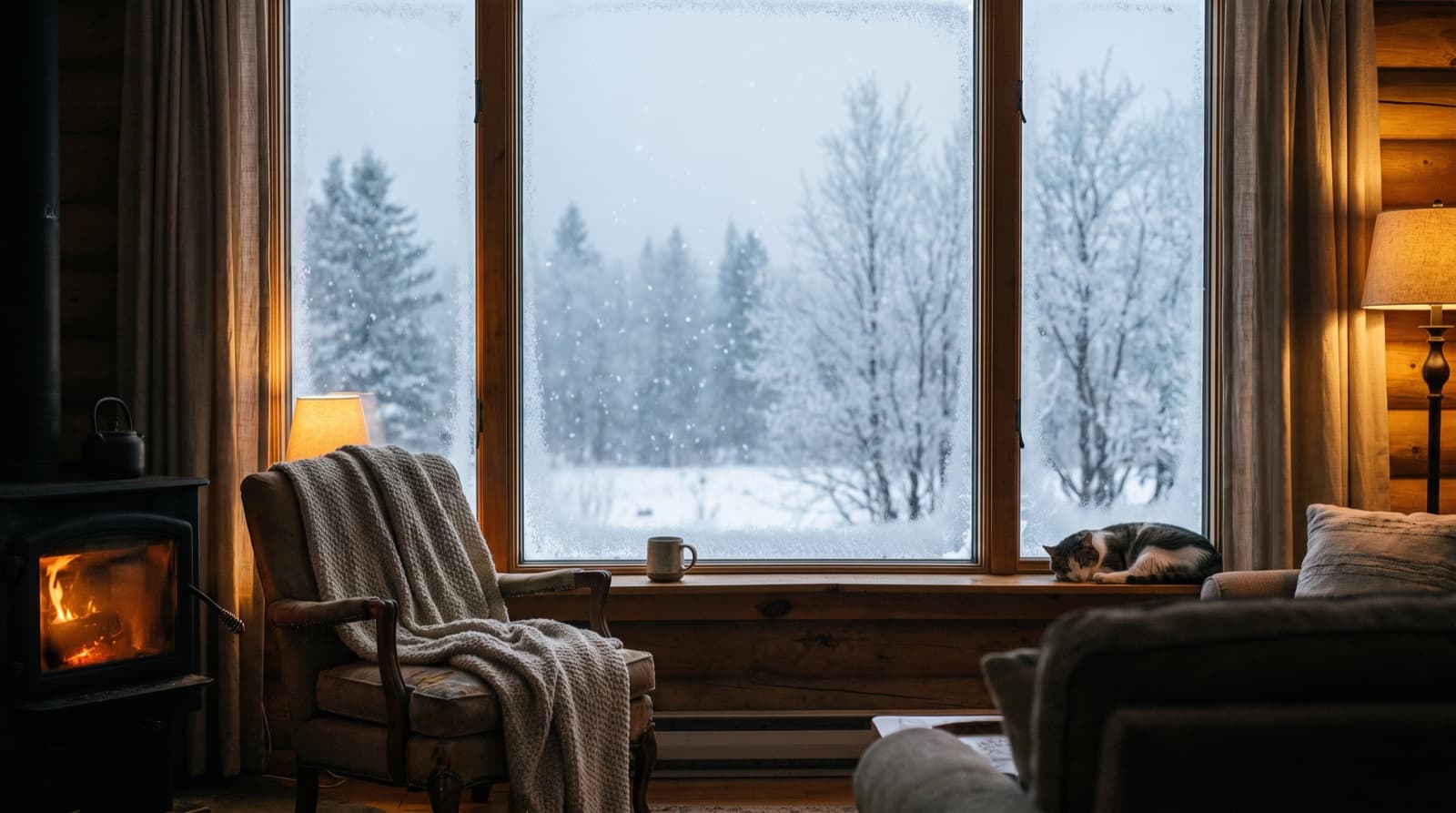

The advice to get outside for morning sun is easy to give and, for a lot of people, hard to follow. Maybe it is still dark when you leave. Maybe your desk is buried three floors from the nearest window. Maybe your day starts at 10 p.m. The good news is that your body clock is looking for a signal, not a sunrise specifically. If you understand what the signal actually is, you can deliver a decent version of it in almost any situation.
What your clock is really asking for
Your master clock sets itself using bright, blue-rich light that arrives near the start of your day. Two things matter most — brightness and timing. Brightness is why real daylight works so well, since outdoor light dwarfs indoor lighting even under thick cloud. Timing is why the same light does more in your first waking hour than it does at noon. Any workaround is just an attempt to hit those two targets as closely as your circumstances allow.
Three ways to feed the signal
Think of these as a ladder. Climb as high as your morning allows, and on the hardest days, take the lowest rung rather than skipping the light entirely.
Sit by the brightest window
Park yourself at the largest, sunniest window you have and open the blinds all the way. It is a weaker dose than real daylight, so give it more time — twenty to thirty minutes while you eat or work.
Step outside, even briefly
A five to ten minute trip outdoors beats a long stretch by glass, because even a grey sky is far brighter than any room. Walk to grab something, take a call outside, or just stand on the step.
Use a light box
When the sky and the window both fail you, a light therapy lamp can stand in. Used as directed, near the start of your day, it delivers a strong dose of light indoors when nature will not cooperate.
Most people can reach at least one of these on any given morning, and the middle rung is usually the sweet spot — cheap, fast, and surprisingly effective.
Making a window work harder
A window is the rung people underrate. The catch is that ordinary glass and distance both cut the dose, so the fix is to get closer and stay longer. Move your coffee, your breakfast, or your first work block right up against the brightest pane in the home, and keep every blind and curtain wide open. It will not match the outdoors, but paired with a short step outside later, it adds up.
When your morning is someone else’s midnight
Night-shift work flips the whole picture, but the same tools still apply — you just point them at a different clock. The aim is to be bright and alert during your working hours and dim and protected when it is finally time to sleep. Seek strong light early in your shift to signal that this is your daytime. Then, on the commute home into a rising sun, treat that light as the enemy of the sleep you are about to chase, and shade your eyes so it does not restart your clock. At home, make the bedroom as dark as you can. It is not a perfect fix, since our biology genuinely prefers daylight, but thoughtful light timing is one of the strongest tools a shift worker has.
Light boxes are widely used, but they are not right for everyone. If you have an eye condition or a mood disorder such as bipolar disorder, check with a clinician before starting one, and never stare directly at the sun or any bright lamp to get your dose.
The habit under the habit
Whichever rung you reach, the real goal is consistency. A signal that arrives at the same time each day is worth far more than a big burst you manage only on weekends, because regular timing is what keeps your circadian rhythm steady. Pick the workaround that fits your life and repeat it, dull days included.
And remember the second half of the strategy, which does not depend on the weather at all. However you gather your morning light, protect the evening — keep the last hour before bed dim and filter the blue-rich light reaching your eyes, so the daytime signal you worked to build does not get overwritten after dark. Bright when it counts, dim when it counts, on whatever schedule your life runs.
References
- Sleep Foundation — Light Therapy Sleep Foundation ↗
- Sleep Foundation — What Is Circadian Rhythm Sleep Foundation ↗
- NIH NIGMS — Circadian Rhythms NIH ↗
Placeholder bio. Jordan translates sleep and nutrition research into practical guidance. Replace with a real contributor before publishing.
Read full bio →