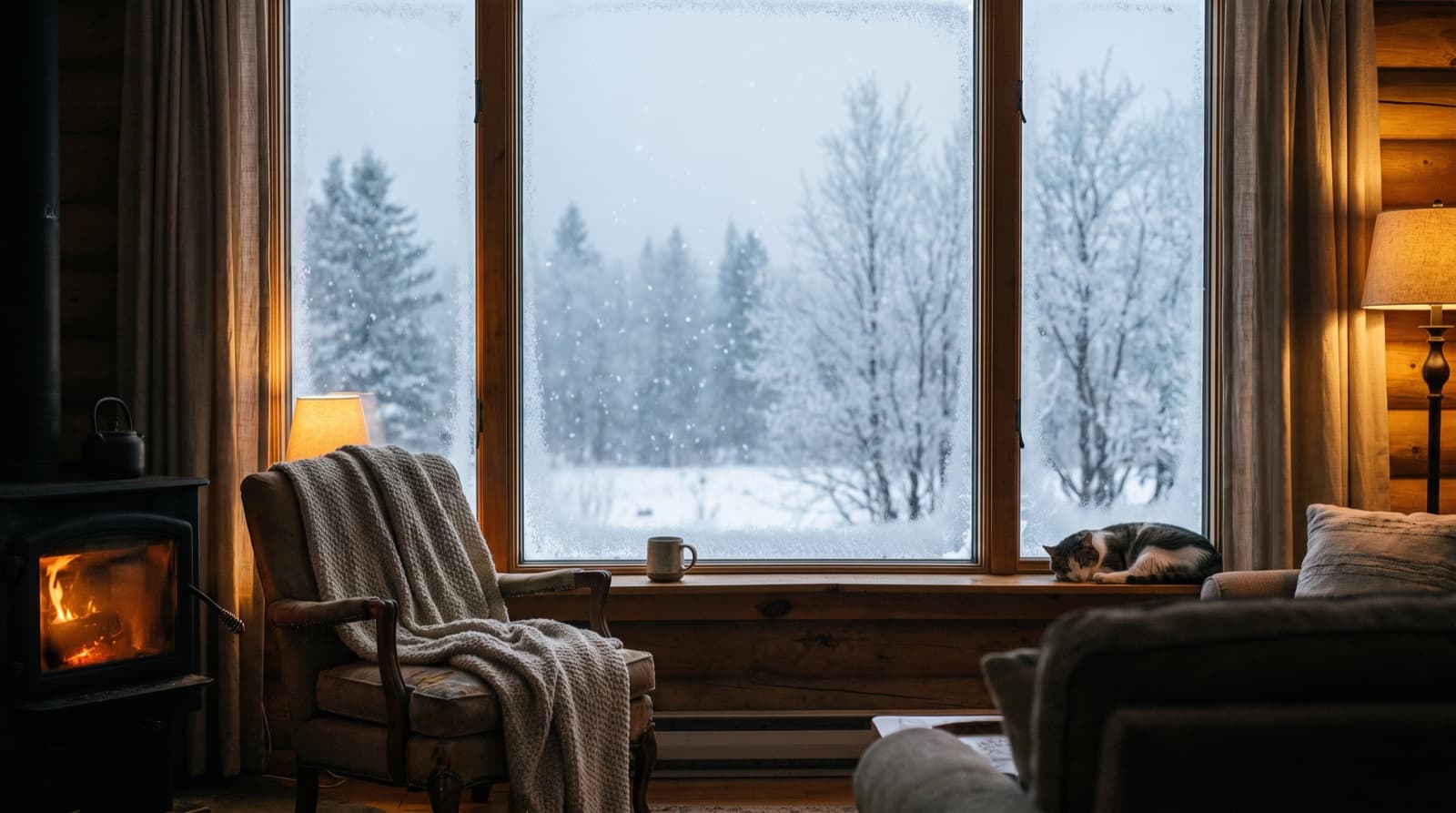

If your nights feel different than they did a decade or two ago, you are not imagining it. Sleep naturally changes as we get older, often becoming lighter, a little shorter in its deepest stages, and shifted earlier on the clock. None of that means good rest is behind you. It means your sleep is following a normal, well-documented pattern, and there is plenty you can do to work with it rather than against it.
Sleep changes shape as the years pass
Sleep is not one flat state. Across the night you move through lighter stages, deep slow-wave sleep, and REM sleep, and the changing mix of those stages is what researchers call sleep architecture. As we age, that architecture gradually rearranges itself. The shifts tend to be steady and predictable rather than sudden, which is why the person you were at 30 and the person you are at 65 can have very different nights while both being perfectly normal.
Lighter nights and less deep sleep
The biggest change is usually in deep, slow-wave sleep. Older adults tend to spend less time in that deepest stage and more time in the lighter stages near the surface. Because lighter sleep is easier to interrupt, you may wake more often during the night, for a noise, a full bladder, or no clear reason at all. Brief awakenings like these are common and, on their own, not a cause for worry. The aim is not to erase them but to make it easy to drift back down.
An earlier body clock
The timing of sleep tends to move earlier too. Many older adults notice they get sleepy earlier in the evening and wake earlier in the morning than they used to. This is partly your internal clock shifting with age. Understanding your circadian rhythm helps here, because the same clock that governs melatonin and alertness can slide forward over the years, nudging your whole schedule toward the early side.
You still need about as much sleep as before
A common myth is that older adults simply need far less sleep. Most sleep experts describe the need as staying fairly steady through adulthood, commonly framed as roughly seven or more hours a night for most adults, including older ones. What changes is how easily that sleep comes and how consolidated it is, not how much your body benefits from it. If you are getting less rest than you would like, the answer is usually to support your sleep, not to assume you have outgrown the need for it.
What helps most
The habits that support aging sleep are the same ones that steady the body clock at any age. They just matter a little more as sleep gets lighter.
Chase bright morning light
Getting outside soon after waking sends your body clock a clear daytime signal. It is one of the strongest, simplest ways to keep an aging rhythm anchored and support easier sleep later that night.
Stay active during the day
Regular movement and time spent upright and engaged help build healthy pressure for sleep. Gentle daytime activity, ideally outdoors, tends to deepen the sleep that follows.
Keep a steady schedule
Going to bed and waking around the same times every day, weekends included, gives your shifting clock something firm to hold onto and smooths out erratic nights.
Ease off light in the evening
In the last hour or two before bed, keep your surroundings dim and reduce bright, blue-rich light from screens and overhead fixtures so your body can wind down on schedule.
Long afternoon naps can borrow from your nighttime sleep and make waking at 3 a.m. more likely. If you nap, keeping it short and earlier in the afternoon tends to protect the night ahead.
When to talk to a professional
Some change with age is expected, but a few patterns are worth raising with a doctor. Loud snoring with pauses in breathing, persistent trouble falling or staying asleep, heavy daytime sleepiness, or a strong urge to move your legs at night all deserve a closer look. Ongoing sleep problems are not something you simply have to live with, and a professional can help sort out what is behind them.
Aging sleep asks for a little more support, not resignation. Feed your mornings plenty of light, stay active while the sun is up, hold a steady schedule, and let your evenings go quiet and dim. Work with the rhythm your body is settling into, and restful nights can stay well within reach.
References
- Sleep Foundation — Aging and Sleep Sleep Foundation ↗
- NIH NIGMS — Circadian Rhythms NIH ↗
- NHLBI — How Sleep Works NHLBI ↗
Placeholder bio. Jordan translates sleep and nutrition research into practical guidance. Replace with a real contributor before publishing.
Read full bio →