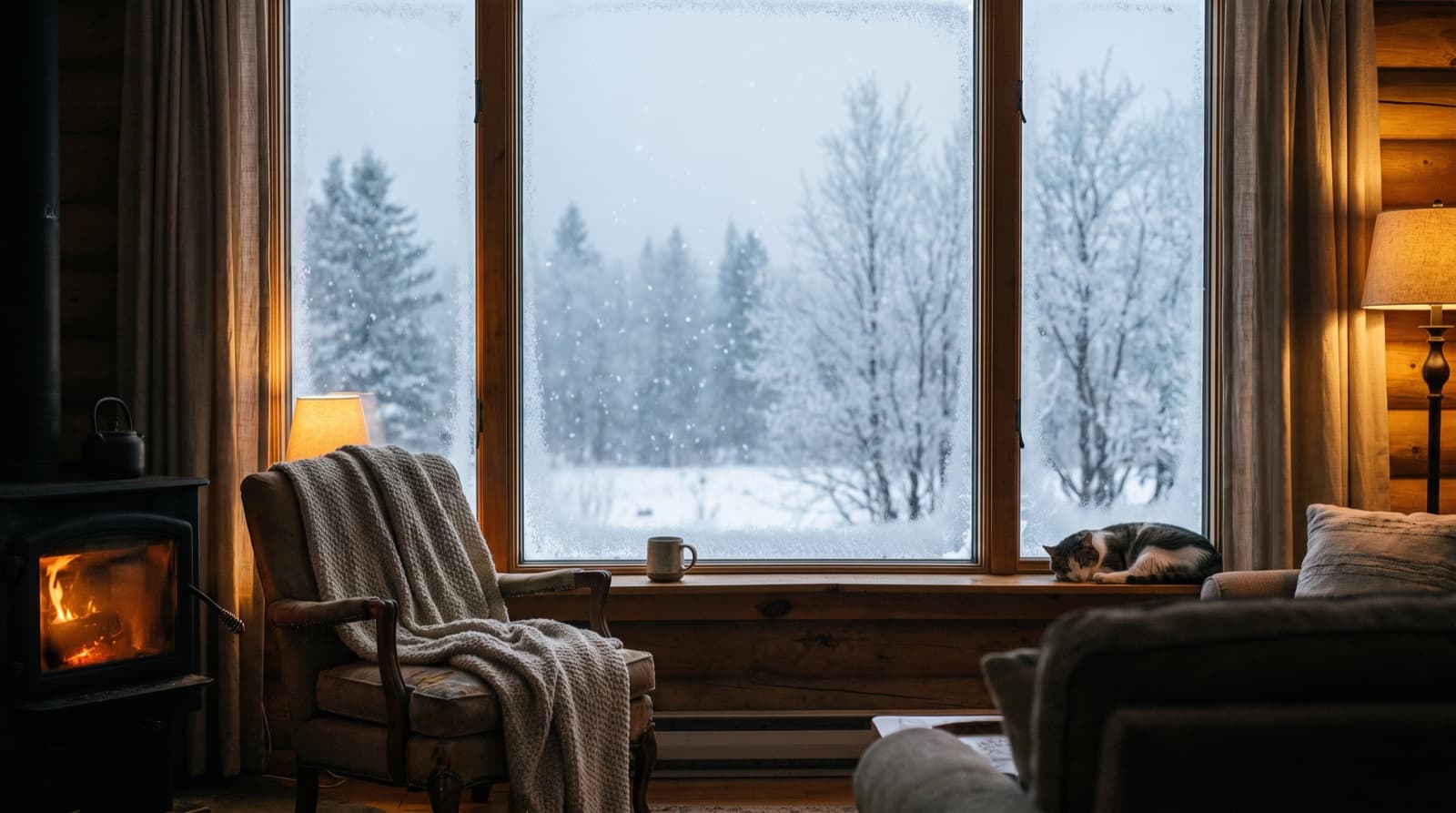

For most of us the morning ritual is automatic — feet on the floor, straight to the kettle or the machine. Coffee earns its place; there is nothing wrong with enjoying it. But if your only wake-up tool is caffeine, you are leaning on the weaker of two levers. The stronger one is free, sitting just outside your door, and it works with your biology instead of papering over it.
Two very different kinds of wake-up
Caffeine and morning light both make you feel more awake, but they do it through completely different machinery, and that difference is the whole story.
How caffeine feels awake
While you are awake, a molecule called adenosine slowly builds up in your brain and creates the growing sense of sleepiness known as sleep pressure. Caffeine works by sitting in the spot where adenosine would normally dock, so the drowsy signal cannot get through. That is a genuine lift, but notice what it is — a mask. The sleepiness is still there underneath, and once the caffeine clears, it can return in a rush. Because caffeine lingers in the body for hours, a cup that felt harmless at midday can still be quietly working against your sleep at night.
How light feels awake
Morning light does something more fundamental. Bright, blue-rich daylight reaches special sensors in your eyes that report straight to your master clock. That report sharpens the whole daytime program — alertness, mood, body temperature, and the timing of hormones — and it does so without borrowing energy you will have to repay later. Light is not masking your sleepiness. It is telling your body, clearly and early, that this is daytime.
Why light tends to last longer
Because light acts on the clock itself, its benefit is woven into the rhythm of your day rather than tied to a single dose. A strong morning signal is associated with a cleaner, more energetic start and a natural wind-down later on. Caffeine, by contrast, rides a curve — up, then down — and the down can arrive at an inconvenient hour, tempting a second or third cup that eats into the evening.
The order that works best
You do not have to choose between them. The trick is sequence. Let light open the day, then let coffee support it a little later.
Light first
Within the first hour of waking, get ten to twenty minutes of real outdoor light. A short walk, the back step, or an open-air coffee spot all count. This is the signal your clock is waiting for.
Give it a beat
Your body already produces a natural surge of alertness in the morning. Delaying caffeine a bit lets that rise happen on its own first, so you are adding to a real wave rather than replacing it.
Then the coffee
Enjoy your cup once you are up and moving. Keeping most of your caffeine to the earlier part of the day helps protect the sleep you are trying to build tonight.
That small reshuffle costs nothing and stacks two wins — a sharper morning now and easier sleep later.
If you love an early cup, try stepping outside to drink it. You get your caffeine and your morning light in the same few minutes, and you never have to choose between the two.
The part coffee cannot do
Here is the clearest reason to reach for light first. Caffeine can borrow you some alertness, but it cannot set your body clock, and it cannot help you fall asleep tonight. Morning light does both. By anchoring the clock early, that same trip outside makes the evening’s sleepiness arrive more reliably. For the full picture of how that anchoring works, see our guide to morning sunlight.
Putting it together tomorrow
None of this asks you to give up coffee. It asks you to add one habit and change one order. Open the blinds, step outside for a few minutes, and let daylight be the first thing your eyes take in. Then make your coffee and enjoy it. Do that for a week and pay attention to the afternoons — many people notice the familiar mid-day slump softens, because they are no longer relying on caffeine to do a job that light was built for.
A great wake-up is not really about being jolted awake. It is about your body understanding, early and unmistakably, that the day has started. Light says that better than any cup can, and it keeps working long after the mug is in the sink.
References
- Sleep Foundation — Caffeine and Sleep Sleep Foundation ↗
- Sleep Foundation — Light and Sleep Sleep Foundation ↗
- NIH NIGMS — Circadian Rhythms NIH ↗
Placeholder bio. Morgan oversees editorial standards and the fact-check process. Replace with a real editor before publishing.
Read full bio →