Vitamin D has earned the nickname the sunshine vitamin, because your skin makes it when daylight lands on bare skin. Lately it has picked up a second reputation as something that might shape how well you sleep. The honest answer is that the science here is still taking shape. What we can say with more confidence is that the same simple habit that helps your body make vitamin D also helps set the internal clock that governs your nights, which turns a few minutes outside into a rare two-for-one.
Where the evidence stands
Researchers keep noticing a pattern. People with low vitamin D levels tend, on average, to report poorer sleep — shorter nights, more waking, and lower overall quality — than people whose levels sit in a healthy range. That link shows up across a number of studies, and it is interesting enough that scientists keep returning to it.
An association, though, is not the same as a cause. It could be that low vitamin D nudges sleep in the wrong direction. It could just as easily be that people who sleep poorly spend less time outdoors, or that some third factor shapes both at once. The trials that test whether supplements actually improve sleep have been mixed, which is exactly why this topic belongs in the emerging column rather than the settled one.
Why the link is plausible
There are sensible reasons the connection might be real. Vitamin D receptors appear in regions of the brain tied to the sleep-wake cycle, and the vitamin is involved in pathways linked to mood and inflammation, both of which can ripple into how you rest. That gives researchers a mechanism worth chasing. It does not prove that topping up your levels will change your sleep, and it is worth holding that distinction lightly until stronger trials arrive.
The double benefit of getting outside
Here is the part already on firmer ground. When you spend time in daylight, two useful things happen together.
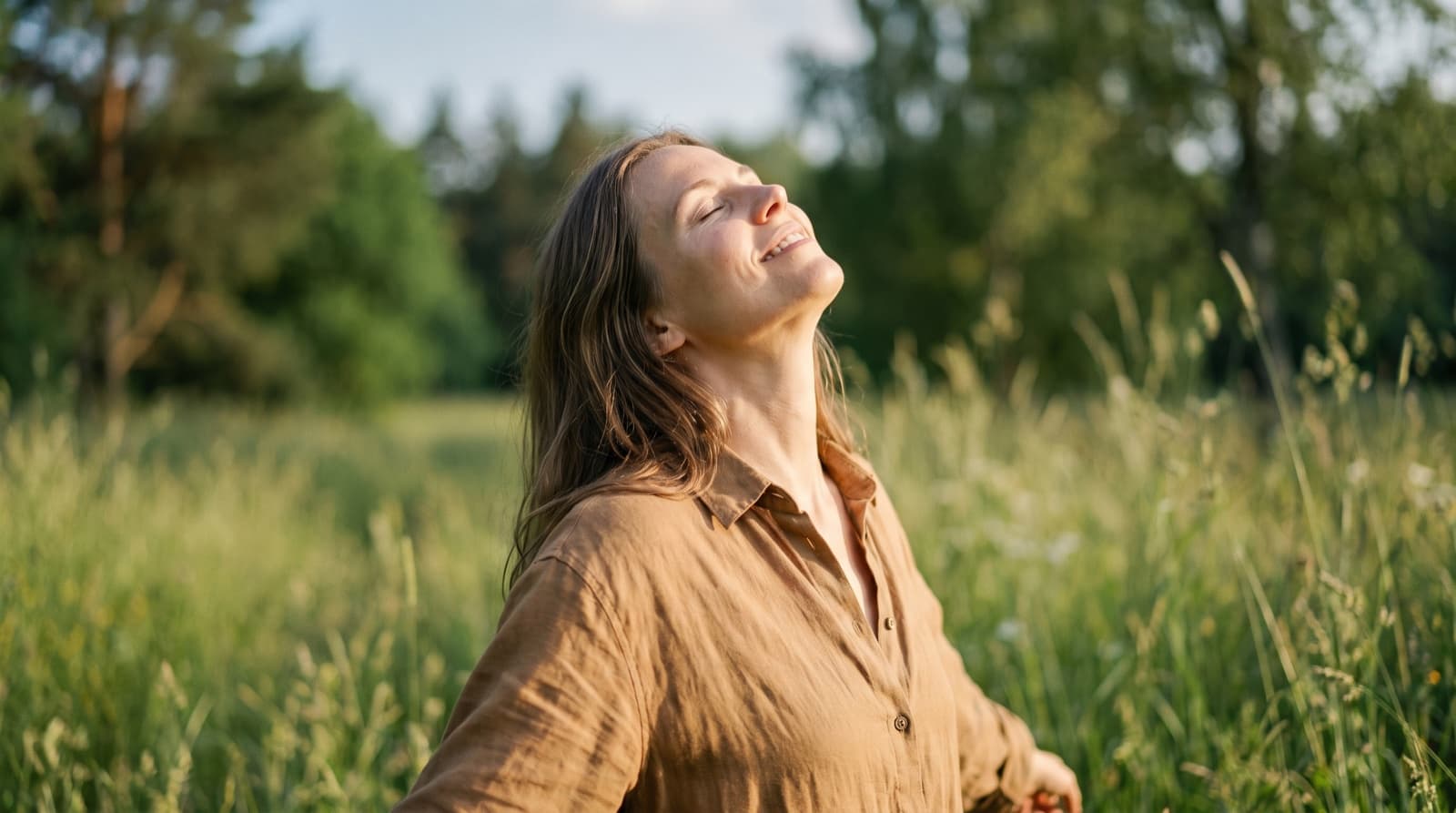
First, ultraviolet light prompts your skin to produce vitamin D. Second, that same bright light reaches the specialized cells in your eyes that set your body clock, signaling to your brain that it is daytime and helping time your evening melatonin release. So a morning walk pulls double duty — it supports your vitamin D and anchors the rhythm that helps you feel sleepy at the right hour. You do not have to choose between the two, which is a big part of why getting outside early is such an easy win.
Aim for time outside earlier in the day, when the light is bright and the circadian signal is strongest. Even on an overcast morning, outdoor light is far stronger than indoor lighting, so the trip outside is worth it either way.
Food and everyday sources
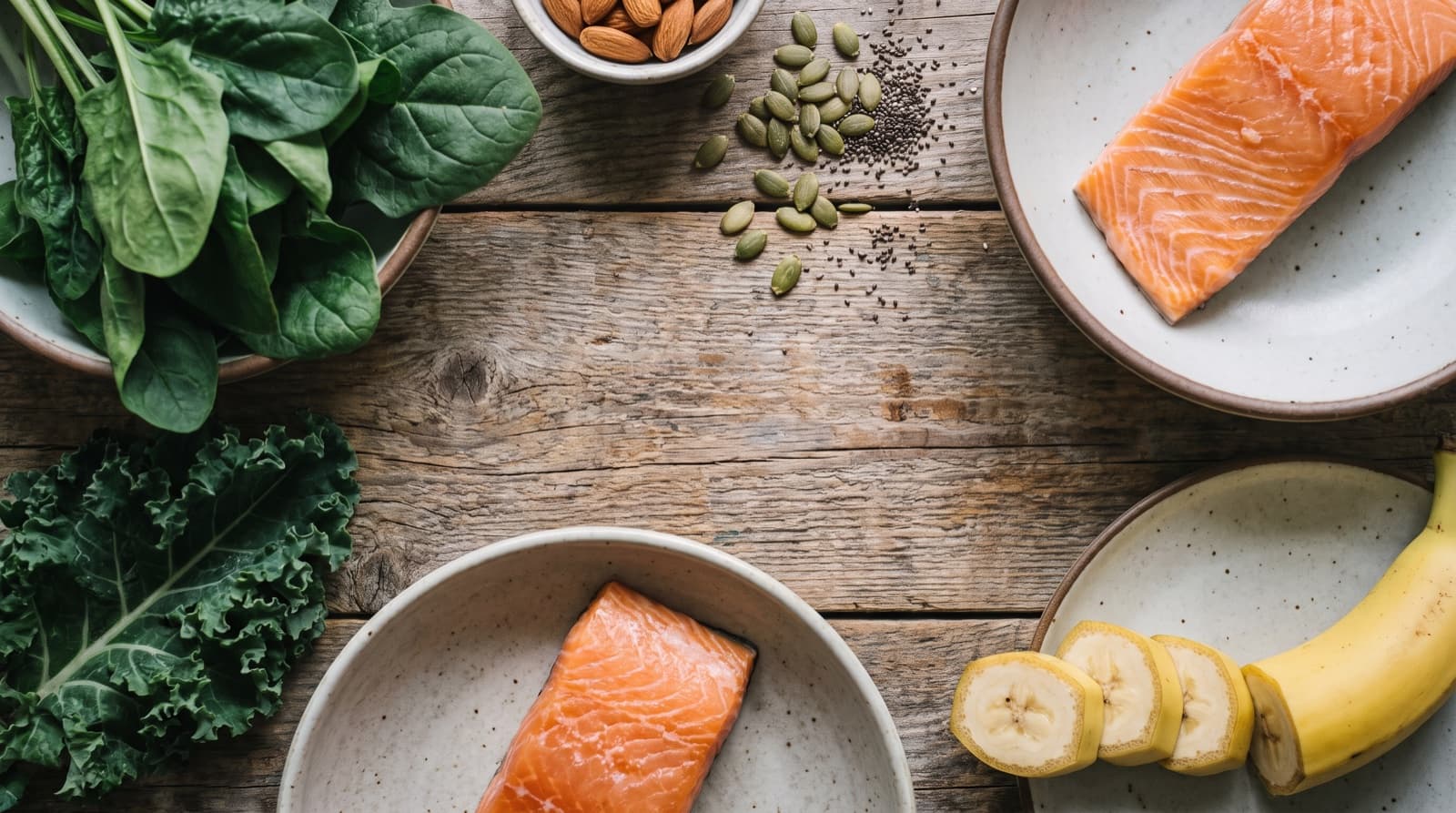
Sunlight is not the only lever. A handful of foods carry vitamin D, and leaning on them is especially helpful in darker months or if you spend most of your daylight hours indoors.
Fatty fish
Salmon, mackerel, sardines, and trout are among the richest natural sources, and they bring omega-3s along for the ride.
Egg yolks and mushrooms
Yolks carry a modest amount, and mushrooms grown under ultraviolet light give plant-based eaters a useful option.
Fortified foods
Many milks, plant milks, cereals, and juices have vitamin D added, so a quick glance at the label goes a long way.
A little sensible sun
Regular, moderate daylight lets your skin make its own supply, no bottle required — just keep it gentle and look after your skin.
Whole foods do more than deliver a single nutrient, of course. Building meals around fish, eggs, and plenty of produce is a habit that overlaps neatly with the broader list of foods that support sleep, so you are rarely working on just one thing at a time.
Before you start testing or supplementing, talk with your doctor. Vitamin D needs vary from person to person, more is not automatically better, and very high intakes can cause harm. A simple blood test and a short conversation will tell you far more than guesswork, and your doctor can suggest an amount that fits your situation.
The honest bottom line
Vitamin D and sleep is a genuinely open question, and anyone promising a tidy fix is getting ahead of the science. What is not in doubt is that daylight helps your body make the vitamin while it steadies the clock behind your nights. Get outside when you can, eat with your levels in mind, and let your doctor guide any supplement. That is a plan that holds up no matter where the research finally lands.
References
- Office of Dietary Supplements — Vitamin D NIH Office of Dietary Supplements ↗
- Mayo Clinic — Vitamin D Mayo Clinic ↗
- Harvard Health — Vitamin D and your health Harvard Health ↗
Placeholder bio. Jordan translates sleep and nutrition research into practical guidance. Replace with a real contributor before publishing.
Read full bio →