
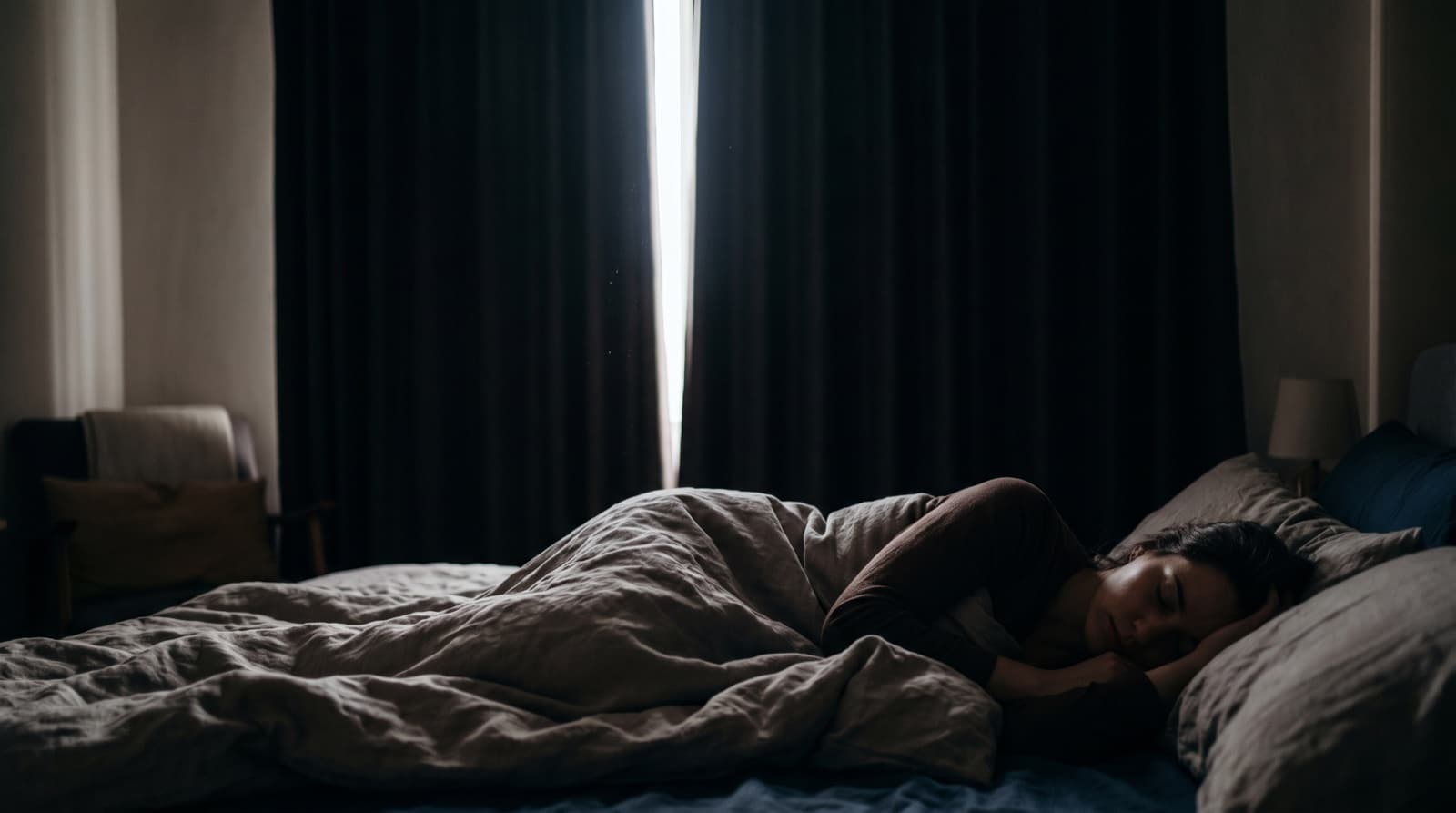
Working while the rest of the world sleeps asks your body to do something it was never designed for. Nurses, drivers, warehouse crews, and night staff of every kind are fighting an internal clock that expects darkness to mean rest. You may not be able to change your schedule, but you can work with your biology instead of against it — and light is your most powerful lever.
Why night shifts are so hard
Deep in your brain sits a master clock that keeps your body on a roughly 24-hour cycle, timing everything from alertness to the release of the sleep hormone melatonin. That clock takes its main cue from light. When you are awake and working under the night sky while your clock is calling for sleep, the two fall out of sync. The result is the familiar misery of shift work: foggy nights on the job and thin, broken sleep during the day.
The good news is that the same light signal causing the problem can be redirected to help. The trick is to control when your eyes see brightness and when they see darkness.
Use light as your on switch
During your shift, lean into light. Bright, blue-rich light while you work helps hold back melatonin and keeps you more alert through the hours your body would rather be asleep. A well-lit workspace is not just about seeing clearly — it is actively signaling wakefulness to your clock.
Front-load the brightness toward the start and middle of your shift, when staying sharp matters most. Then ease off in the final hours before you head home, so you are not flooding your eyes with wake-up signals right when you want your body to start powering down. The goal is a clean handoff from a bright, alert shift to a dark, restful morning.
Use darkness as your off switch
The harder and more important half is protecting your sleep once the shift ends. The morning commute home is the danger zone: step into bright daylight and your clock reads it as a wake-up call, making the daytime sleep you badly need even harder to reach.
Go dark on the commute
Wearing dark or tinted lenses on the way home creates a kind of virtual darkness, dialing down the morning light that would otherwise reset your clock at the worst moment.
Make the bedroom a cave
Aim for a room so dark you can barely see your hand. Blackout curtains, covered LEDs, and an eye mask all help you convince your body it is night in the middle of the day.
Dim the hours before sleep
Keep your home lights low once you are off the clock, and go easy on bright screens, so your wind-down is not competing with a room that still looks like noon.
Anchor your schedule
Keep your sleep and meal times as consistent as your rotation allows. Even partial regularity gives your clock something steadier to hold onto.
Getting your sleep space genuinely dark matters more than almost anything else during the day. Our guide on how to get your bedroom truly dark walks through the details, from curtains to the tiny standby lights you have stopped noticing.
Consistency, and knowing the limits
If you rotate between days and nights, full adjustment may never happen, and that is not a personal failure — it is the reality of asking a stable clock to keep moving. What helps most is reducing how far and how often your schedule swings, and guarding your sleep window fiercely once you claim it. Keep it dark, keep it quiet, keep it cool, and treat that daytime sleep with the same respect you would give a night in bed.
Be careful, too, about reaching for shortcuts. Piling on high doses of melatonin or leaning on sleeping pills to force daytime rest tends to create new problems rather than settle the underlying misalignment. Light and darkness, used deliberately, are the safer and more durable tools.
Finally, know when this crosses from tough into medical. If you are constantly exhausted, cannot sleep even when you have the chance, or feel unsafe with drowsiness on the job, talk to a clinician. Shift-work sleep problems are common and recognized, and real help is available. You are asking your body to do a hard thing — the least you can do is give it darkness when it needs it and light when it counts.
References
- Sleep Foundation — Shift Work Disorder Sleep Foundation ↗
- CDC — About Sleep CDC ↗
- NIH NIGMS — Circadian Rhythms NIH ↗
Placeholder bio. Jordan translates sleep and nutrition research into practical guidance. Replace with a real contributor before publishing.
Read full bio →