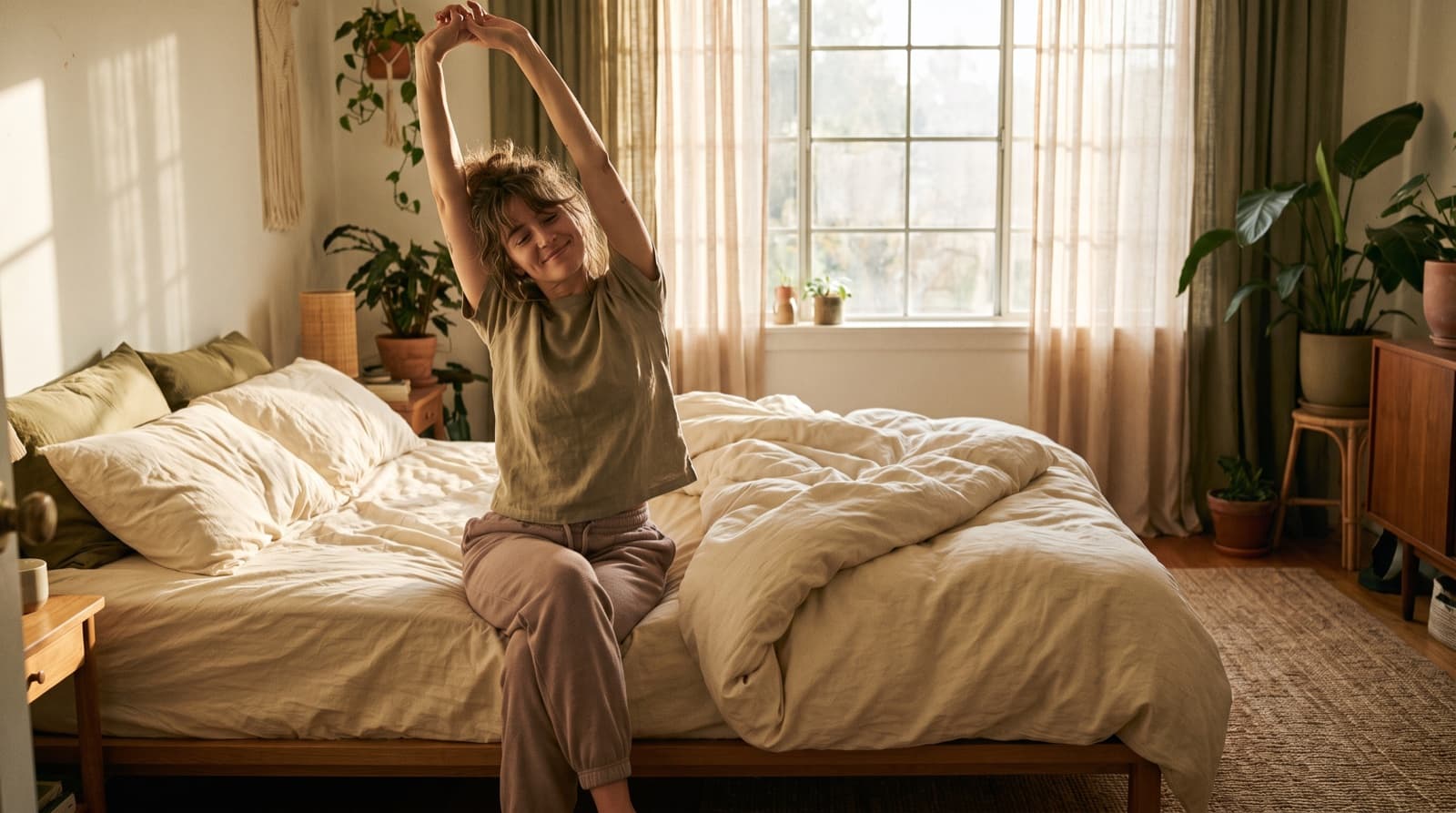
Everyone knows the advice: put the phone down before bed. Far fewer people manage to do it, and it is not because they lack discipline. Most screen curfews fail because they are built to be broken — too strict, too vague, or asking you to give up the one thing you reach for when you finally have a moment to yourself. A curfew that actually sticks is designed around real life, not an ideal version of it.
Why most curfews collapse
The classic curfew is a hard rule with no give: no screens after nine, full stop. It feels virtuous for a night or two and then reality intervenes. A friend texts, you want to check one thing, and the whole rule quietly dissolves. All-or-nothing plans have a single failure point, and once you cross it, there is nothing left to fall back on.
The other common trap is aiming too high. Cutting screens off two hours before bed sounds excellent in theory, but if your evenings do not have two spare, screen-free hours in them, the plan is doomed from the start. A curfew you can keep imperfectly beats a perfect one you abandon by Wednesday.
Build one that survives real life
Pick a realistic cutoff
Start with 30 minutes before bed, not two hours. A small window you actually honor builds the habit, and you can always extend it once it feels natural.
Move the charger out
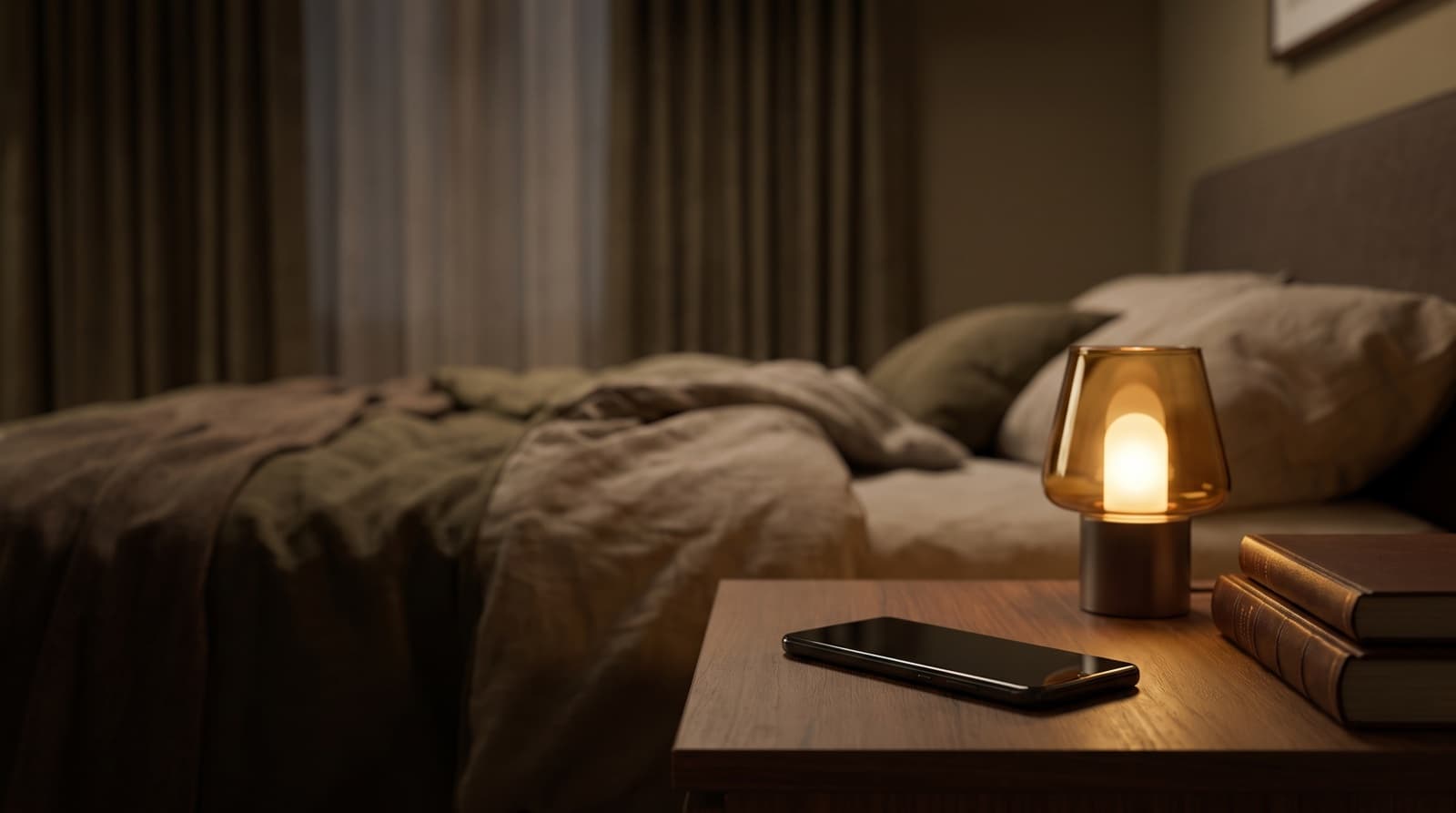
Charge your phone in another room, or at least across the bedroom. Distance turns a mindless reach into a deliberate choice, which is often enough to stop it.
Line up a replacement
Have something offline ready — a book, a stretch, a notebook. A curfew feels like a loss when there is a void and like a swap when there is something better waiting.
Filter the light when you slip
Some nights the screen wins. Rather than count it as a failure, put on evening glasses and lower the brightness so the light reaching your eyes stays gentler.
The first three steps build the habit; the fourth keeps a single slip from becoming a total collapse. That combination — a modest goal plus a graceful backup — is what separates curfews that last from curfews that live for a weekend.
Set a nightly alarm labeled with your cutoff instead of relying on willpower to notice the time. A gentle nudge at the same moment each night does the remembering for you and makes the curfew feel automatic.
Why the backup plan is not cheating
There is a purist view that says if you use screens at night at all, you have lost. That mindset is exactly what makes people give up. The point of a curfew is to reduce the bright, blue-rich light hitting your eyes late in the evening, because that light can slow the release of melatonin and push your wind-down later. Anything that lessens that dose is a win, whether it is skipping the screen entirely or simply softening what it sends you.
If you will not quit screens, filter the light
Be honest with yourself about your evenings. If you know you are going to scroll, watch, or work right up until the moment you sleep, an idealistic curfew will only make you feel guilty. In that case, shift your energy from quitting to filtering. Warm your displays, drop the brightness, keep the room dim, and wear evening glasses that filter some of the blue-rich light before it reaches your eyes. You keep the screen and still soften the signal, which is a far better outcome than a rule you break and then abandon.
If you are curious about why screens leave you so wired in the first place, our guide on why you cannot sleep after screens explains the mechanism behind it.
A screen curfew is not a test of character. It is a small piece of design, and the best design meets you where you are. Set a modest cutoff, move the charger, keep a replacement handy, and give yourself a gentle backup for the nights that do not go to plan. Build it that way and you will not need heroic willpower — you will just have a habit that quietly holds.
References
- Sleep Foundation — How Electronics Affect Sleep Sleep Foundation ↗
- Harvard Health — Blue light has a dark side Harvard Health ↗
- Sleep Foundation — Light and Sleep Sleep Foundation ↗
Placeholder bio. Morgan oversees editorial standards and the fact-check process. Replace with a real editor before publishing.
Read full bio →